Table Of Contents
The Future of AI Automation
The future of AI automation appears promising as businesses increasingly adopt advanced technologies. This shift aims to enhance operational efficiency and drive innovation across various sectors. Companies are leveraging AI automation to streamline processes, reduce costs, and improve decision-making through data analysis. With its ability to learn and adapt, AI is poised to transform traditional workflows into dynamic systems that can respond to changing market demands swiftly.
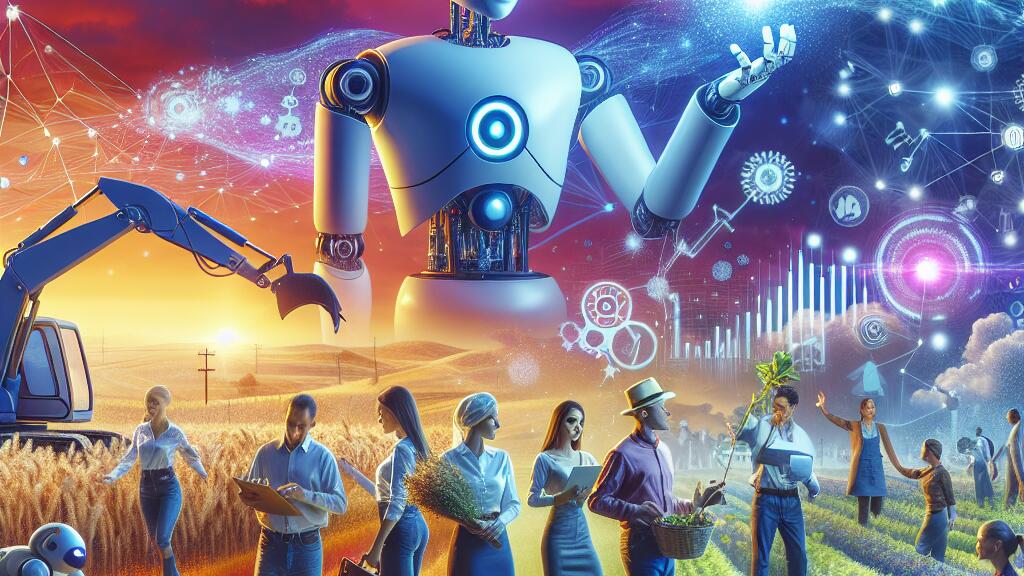
In the coming years, the integration of AI automation will likely lead to more intelligent systems that collaborate seamlessly with human workers. This collaboration could redefine job roles and create new opportunities in areas previously thought redundant. As organizations embrace AI automation, continuous advancements in machine learning and natural language processing will enhance these systems’ capabilities. The potential for deeper insights and enhanced performance makes it an essential focus for businesses aiming to stay competitive.
Trends to Watch in the Next Decade
In the next decade, AI automation is poised to revolutionize various industries by enhancing efficiency and productivity. Companies are increasingly leveraging advanced algorithms and machine learning to streamline processes and reduce operational costs. This shift will likely lead to a more data-driven approach, where decisions are informed by real-time analytics and predictive models. As organizations embrace AI automation, the demand for skilled professionals who can manage and interpret AI-driven data will grow significantly.
Additionally, AI automation will continue to evolve, incorporating more sophisticated capabilities like natural language processing and computer vision. These advancements will enable machines to understand and respond to human emotions, making interactions more intuitive. Businesses may adopt AI automation not only for routine tasks but also for complex decision-making processes, ultimately transforming the workforce landscape. Adapting to these changes will be crucial for organizations aiming to remain competitive in an increasingly automated world.
Comparing AI Automation with Traditional Automation
AI automation represents a significant shift from traditional automation methods. While traditional automation relies heavily on pre-defined rules and repetitive processes, AI automation uses machine learning and artificial intelligence to adapt and learn from data. This flexibility allows AI automation to optimize tasks and processes over time, minimizing human intervention and increasing efficiency. Traditional automation tends to be more rigid, often requiring extensive reprogramming to handle new scenarios or changes in workflows.
Organizations that adopt AI automation can experience enhanced decision-making capabilities. Traditional automation often focuses solely on executing specific tasks, lacking the analytical depth that AI brings to the table. AI automation can analyze vast amounts of data in real time, identify patterns, and make predictions that traditional systems cannot. This ability transforms not only operational efficiency but also strategic planning, allowing businesses to respond rapidly to market changes and customer needs.
Key Differences and Benefits
AI automation and traditional automation serve distinct purposes within various industries. Traditional automation typically focuses on repetitive tasks that follow predictable patterns. This often results in improved efficiency and reduced labor costs. In contrast, AI automation leverages advanced technologies, such as machine learning and natural language processing, to handle more complex tasks. It can learn from data, adapt to new information, and even make decisions. This ability allows businesses to achieve higher levels of accuracy and innovation, addressing challenges that traditional methods may struggle with.
The benefits of AI automation are significant and multifaceted. Companies adopting AI automation experience increased productivity as it streamlines processes and reduces human error. The technology can also provide insights through data analysis, offering a competitive edge in decision-making. Additionally, AI automation enhances customer experiences by personalizing interactions and improving responsiveness. Overall, the integration of AI automation transforms operational capabilities, enabling businesses to achieve growth and stay relevant in an evolving landscape.
How to Integrate AI Automation in Your Business
Integrating AI automation into your business begins with a clear understanding of your specific needs and goals. Assessing areas where efficiency can be improved will help identify suitable tasks for automation. Start small by choosing simple, repetitive tasks that benefit from AI automation, allowing for a smoother transition into more complex processes over time. This approach reduces the disruption often associated with significant changes while demonstrating clear, measurable outcomes that justify the investment.
Involving your team in the integration process is essential for successful implementation. Providing training on AI automation tools enhances employees' skills and eases their adjustment to new technologies. Encouraging feedback and open communication helps address any concerns, fostering a collaborative atmosphere. Regularly reviewing the effectiveness of the AI automation implementation ensures that it aligns with your business goals and identifies areas for further improvement.
Steps for Successful Implementation
To successfully implement AI automation in your business, the first step is to identify specific areas where it can enhance productivity and efficiency. Conduct a thorough analysis of existing processes to pinpoint repetitive tasks that could benefit from automation. Engaging with stakeholders during this assessment can provide insights into pain points and opportunities for improvement. This collaborative approach lays the groundwork for a more tailored AI solution that aligns with organizational goals.
Next, it is crucial to invest in the right technologies and tools that support AI automation. Choose platforms that offer scalability and flexibility to accommodate future growth. Training your team on these technologies is equally important to ensure smooth adoption. A well-planned rollout phase can help ease the transition, allowing employees to adapt gradually to automated workflows and giving you the chance to gather feedback and make necessary adjustments for optimal performance.
FAQS
What is AI automation?
AI automation refers to the use of artificial intelligence technologies to perform tasks and processes that were traditionally done by humans, enhancing efficiency, accuracy, and speed.
How does AI automation differ from traditional automation?
The main difference is that traditional automation relies on pre-defined rules and processes, while AI automation uses machine learning and cognitive capabilities to adapt and improve over time, allowing it to handle more complex tasks.
What are some key benefits of implementing AI automation in a business?
AI automation can lead to increased efficiency, reduced operational costs, enhanced decision-making through data analysis, improved customer experiences, and the ability to focus human resources on more strategic activities.
What are the trends to watch in AI automation over the next decade?
Key trends include advancements in natural language processing, increased use of AI in customer service, integration of AI with IoT devices, greater focus on ethical AI practices, and enhanced collaboration between humans and machines.
What are the steps for successfully integrating AI automation in a business?
Successful integration involves assessing business needs, choosing the right AI tools, training staff, starting with small pilot projects, gathering data for continuous improvement, and scaling the solution based on initial results and feedback.